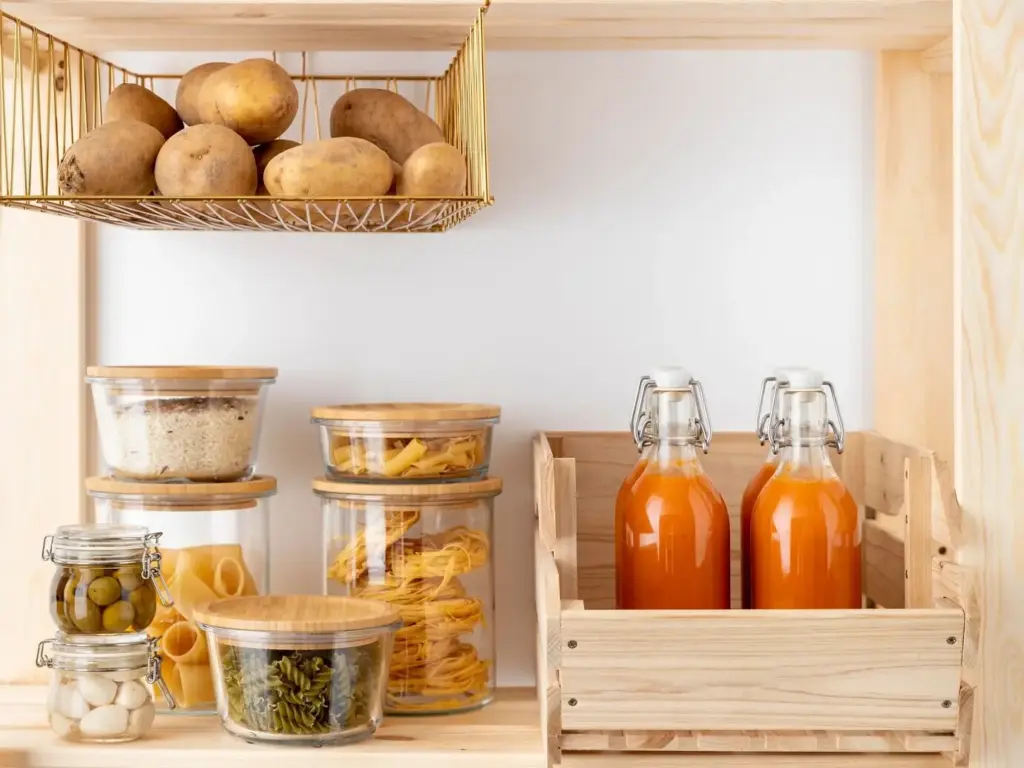
Room to Breathe in Small Spaces


Today we explore compact living remodels with custom built-ins, revealing how precise planning, clever joinery, and intuitive storage can unlock surprising comfort. Expect real stories, clear tactics, and honest lessons to help you reimagine every centimeter, reduce clutter’s stress, and design a home that quietly adapts to your day without sacrificing personality or joy.

Start with a Measurement-Driven Vision

Map the Real Footprint

Capture every dimension, outlet, pipe chase, and door swing, then sketch zones for sleeping, eating, working, and relaxing. This map exposes conflicts, like a closet door hitting a desk, and inspires integrations, like shallow bookshelves in dead space. Seeing constraints on paper transforms abstract wishes into efficient, buildable strategies that honor your space and routines.

Flow First, Furniture Second

Before buying a sofa or designing a built-in, walk the room and trace daily paths from morning coffee to evening wind-down. Prioritize clear travel lanes, knee space, and reachable storage. Furniture then follows the choreography, not the other way around, ensuring built-ins support movement, welcome guests comfortably, and protect sightlines that keep small rooms feeling open.

Lifestyle Inventory

List what you actually use weekly, monthly, and seasonally, then design storage depths and access accordingly. Frequently used items deserve eye-level shelves and smooth hardware; rarely used gear belongs higher or deeper. This honest inventory prevents bulky cabinetry that looks impressive but frustrates daily life, keeping custom solutions lean, purposeful, and delightfully easy to maintain.

Walls, Corners, and Ceilings That Work Harder

Small spaces thrive when architecture becomes a quiet collaborator. Shallow wall niches, toe-kick drawers, and ceiling-hung elements capture capacity without crowding. Thoughtfully scaled built-ins make corners gracious, not awkward, and celebrate vertical potential. Aim for millimeter-level fit, minimal overhangs, and shadow reveals that lighten the look while preserving strength, access, and long-term serviceability during busy weeks.

Use the Vertical Every Meter

Stretch storage to the ceiling, but break height with varied cubbies, doors, and open bays to avoid a monolithic wall. Ladder rails, integrated steps, or pull-down mechanisms make upper zones practical, not decorative. Pair closed cabinets for visual calm with display shelves for personality, creating rhythm and an uplifting sense of scale in tight rooms.

Corners Without Compromise

Replace dust-trap voids with angled cabinets, radius shelves, or synchronized corner slides that bring contents forward. Rounded profiles soften bumps in narrow passages, while integrated lighting brightens deep pockets. With careful hinge selection and face-frame alignment, corners stop stealing space and start hosting cookbooks, barware, or linens that stay organized, accessible, and beautifully presented daily.

Ceilings, Soffits, and Reveals

Float shallow cabinets below soffits to frame rooms and hide ductwork. Add slim reveals for shadow lines that visually lighten tall pieces. Ceiling-mounted rails can hold sliding panels, curtains, or flexible pegboards. When transitions feel intentional, built-ins read as architecture, not furniture, creating stability and elegance that makes compact homes feel calm, finished, and wonderfully considered.
A Bed That Disappears

A well-balanced wall bed with side cabinets turns sleeping into a nightly ritual that sets up in seconds. Use elastic straps for bedding, a recessed headboard niche for charging, and dimmable lights for wind-down. When closed, the facade becomes a serene wall, revealing a living area that feels open, ready for yoga, guests, or creative projects.

Dining That Doubles as Office

A fold-down table with concealed cable routing hosts breakfast at eight and video calls at nine. Paired with banquette seating hiding files, it prevents visual clutter and keeps posture-friendly ergonomics. Durable topcoats resist coffee, ink, and markers. Comfort matters: add soft upholstery, task lighting, and foot clearance so the setup feels inviting, not improvised or temporary.

Hidden Workstations and Media

Pocket doors or sliding tambours can reveal a full workstation, with shallow drawers for peripherals and adjustable shelves for monitors. Cable management keeps surfaces calm, while acoustic panels tame echo. At night, close everything and reclaim a lounge. This choreography reduces stress, shields unfinished tasks, and protects shared space harmony in the coziest studio apartments.

Slim Profiles, Durable Finishes, Quiet Details

Material choices determine longevity, weight, and visual clarity. Stable plywoods, quality MDF, and aluminum profiles create slim yet strong carcasses. Durable finishes resist fingerprints and amplify light. Thoughtful edges, soft-close hardware, and felt buffers reduce noise and wear. The result is cabinetry that feels refined, inviting touch and trust through everyday use without demanding fuss.

Light, Sightlines, and the Illusion of Volume

Perception shapes comfort as much as square footage. Use layered lighting, glass accents, and controlled contrast to stretch space visually. Keep tall pieces on fewer walls to open diagonals. Mirrors placed thoughtfully double daylight and soften corners. When eye paths glide smoothly, even modest rooms feel airy, welcoming, and ready for gatherings, deep focus, or restorative rest.

Layered Lighting Without Clutter

Blend ceiling washes, under-shelf task lights, and low-level evening accents. Recess wires inside built-ins and add discrete switch locations. Warm, dimmable LEDs flatter materials and faces. Light the verticals, not just the floor, to lift ceilings. With glare controlled and shadows intentional, small rooms gain dimension, improving mood, clarity, and comfort from sunrise to midnight.

Sightline Tricks that Expand

Keep tall masses near corners and keep central walls visually quiet. Align door tops and cabinet rails for a clean horizon. Use sliding panels or open shelves to maintain glimpses into adjoining rooms. Consistent reveals feel architectural, not busy. These simple moves trick the eye into reading continuity and scale, gifting precious psychological spaciousness every day.

Real-World Makeovers and Lessons Learned
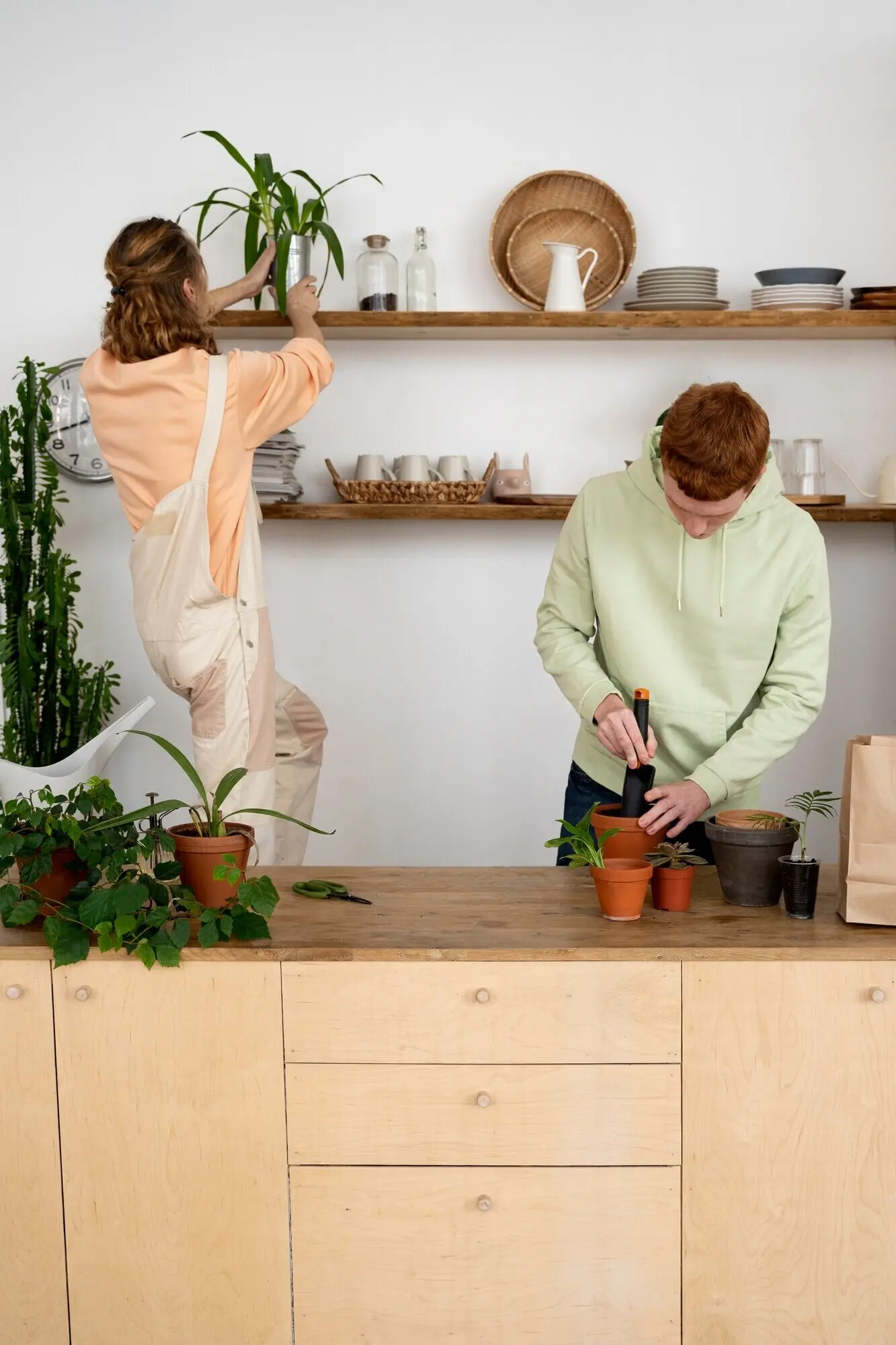
Stories reveal the subtleties that checklists miss. From city studios to narrow cottages, we’ve seen small footprints bloom with thoughtful carpentry and honest priorities. Expect measured wins, candid missteps, and practical insights you can borrow immediately. Share your questions, subscribe for updates, and tell us what you’re planning so we can cheer, refine, and celebrate together.
A 28-square-meter walk-up gained a wall bed framed by bookcases, a pocket office behind tambour doors, and toe-kick drawers for shoes. The tenant says mornings feel calmer and cleaning takes minutes. The biggest lesson: leave breathing room around handles and outlets. Tiny interferences add up; generous tolerances keep daily motions smooth and frustration-free over time.
A convertible dining banquette hid toys, fold-out panels created a homework station, and a ceiling rail carried blackout curtains for quick bedroom zoning. Parents report easier bedtime and fewer arguments about mess. Their insight: involve kids in storage decisions. When children choose accessible bins and labels, tidying becomes ownership, not a chore, sustaining order through busy weeks.
We’d prewire for future tech, add one extra access panel, and specify slightly quieter sliders. We’d also prototype handle positions with painter’s tape for a week. Real life beats drawings. If you’re planning, share a sketch in the comments. We’ll respond with suggestions, inspiration links, and measured tips. Subscribe for upcoming layout deep dives and hardware tests.
Lokifepixuma
Privacy Overview

This website uses cookies so that we can provide you with the best user experience possible. Cookie information is stored in your browser and performs functions such as recognising you when you return to our website and helping our team to understand which sections of the website you find most interesting and useful.